
Hi! Can you introduce yourself?
My name is Maritta Räisänen and I am a doctoral researcher in the Aaltonen lab. I studied biology with my main focus on human genetics. For my Master’s thesis I studied the differences in chromatin accessibility between uterine leiomyomas and normal myometrial tissue. I completed my Master’s thesis in 2019 and have been working towards the PhD since 2020.
What are uterine leiomyomas, and what does chromatin accessibility mean?
Uterine leiomyomas are benign tumors of the uterus. These are extremely common and affect approximately 70% of women during their lifetime. The chromatin consists of proteins and DNA, the hereditary material in all cells. Accessibility of this complex has effects on the regulation of genes, and differences between normal and tumor tissue can indicate important regulatory changes in tumorigenesis.
Are you continuing with this in your doctoral research or are you working on something else now?

My Master’s project was part of a larger study published in Nature (2021). My doctoral research has continued with this effort to get a thorough annotation of the regulatory genome of myometrium and myomas.
At the moment, I am working on finishing a manuscript reporting differences in the chromatin states between myometrium (“normal tissue”) and myomas. Chromatin states are annotations that have different regulatory features, for example one chromatin state are enhancers, elements that regulate gene expression.
This project has been a big effort, creating large amounts of data on myometrium and myomas, and also utilizing previous and public data sets. One example of data integration done for this project is assigning chromatin states for regions with germline variants predisposing to myomas identified in GWAS (genome-wide association study). There are also other projects I have worked on but this regulatory genome project has been my main focus.
What exactly is meant by a “genome-wide association study”? What are the aims/characteristics/benefits?

Genome-wide association studies aim to identify genomic polymorphisms that are more common in individuals with a particular trait than individuals without it. In our case, we compare women who have myomas and women who do not, and try to find which alleles are more common in women with myomas. The regions with these alleles can contribute to the tumorigenesis of myomas.
We have used three different cohorts for our myoma GWAS; FinnGen (Finnish cohort with over 40000 myoma cases and 200000 female controls), UK BioBank and Biobank Japan.
Is annoting the regulatory genome like assigning biological meaning to the sequences? Therefore, these chromatin states, based on what states they are, may function differently between the “normal” myometria and myomas?
Yes, we aim to assign chromatin states for genomic locations, and different states have different biological functions. When the state is different in the same location between tumor and normal tissue, this could indicate regulatory changes in the locus.
What kind of data public data can you use to integrate into your own genome annotation? Are we talking, for example, environmental factors, lifestyle, or more in-depth genetic data? Where do you get the public data from?
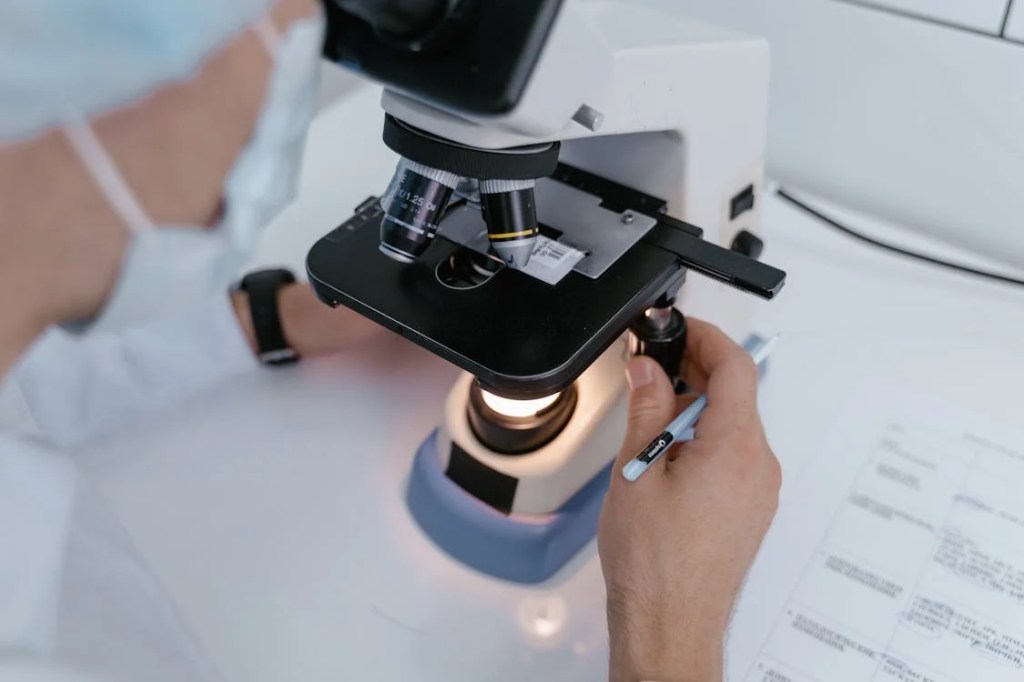
Essentially more in-depth genomic data. There are publicly available regulatory genome data from other tissues and cell types. Different tissues have differences in their regulatory genome (chromatin states) and with our own annotation from myometrium tissue we can get a more specific view into the regulation in this specific tissue type.
One of the large population predisposition data sets used is FinnGen data, which is used to investigate whether some common sequence variants are more common in women who have myomas than in women who do not. These alleles can mark genomic locations that have some important functions in the genesis of myomas, thus the common variant predisposing to myomas.
Will this bring better understanding in how these myomas form in the first place? Could it tell us anything that may help with treatment of patients with leiomyomas?
There are multiple identified genetic drivers for myomagenesis. We have annotated the regulatory genome for myomas formed by three distinct drivers. There are previous studies, where the genetic driver can affect the treatment response, so it is important to study the differences which could possibly identify pathways that could be used to treat myomas with specific genetic drivers.
Want to learn more about the Finnish Center of Excellence in Tumor Genetics?
Subscribe to the blog and keep up to date with the latest posts for a peek into the everyday life in cancer research. You can also follow us on Instagram (@tumorgenetics) and Twitter/X! (@CoEinTG)
 Tumor Genetics Blog