By: Lauri.S and Alison London
I met with Lauri Sipilä, a Ph.D student from the Tumor Genomics group, to talk about his recent project in a rare subtype of sinonasal cancer (SNC). We chatted about his research, the practical lab work involved when working with formalin-fixed paraffin embedded tissues and the next steps for future studies.
Sinonasal Cancer in Finland
Hi Lauri! I thought for this blog, we could talk about your recent research endeavor in which I was helping with the lab aspect of the project shall we?
Hi! Yeah that sounds great, we’re just putting the final touches in the manuscript so the story is quite complete for now.
You had formalin-fixed paraffin-embedded sinonasal adenocarcinomas samples (that’s a mouthful!) that you wanted to do whole genome sequencing for, right? It’s quite a difficult material to get this kind of information from isn’t it?
Formalin-fixed paraffin-embedded tissue material, or FFPE as we usually call it due to the reason you just pointed out, is indeed a bit tricky to work with. FFPE blocks are generated from fresh tissue samples for histopathological examination.
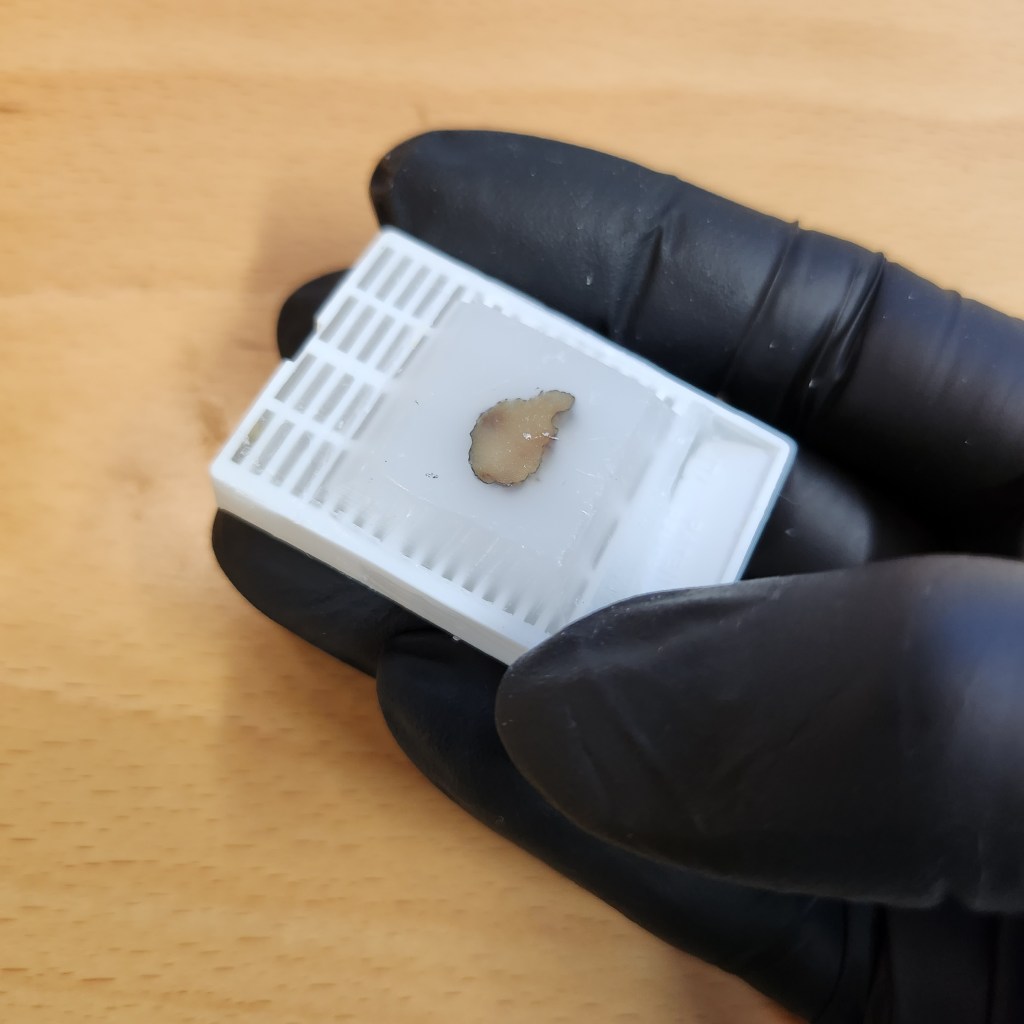
The fixation preserves larger-scale structures and allows the sample to be archived in room temperature, which is great. The sample also still contains the DNA, which can be utilized in genetic analyses. However the fixation process causes different kinds of molecular damage, which causes issues when we want to study these. For example, the DNA tends to be fragmented to very short pieces.
Typical second-generation sequencing experiments require the sample to be sheared to small pieces anyway, but this is too short. There are also mechanisms which cause nucleotides to switch to different ones during the sequencing workflow, which is a problem because that is in a sense exactly what we’re looking for when we study mutations. So they show up as false positives.
So why use paraffin embedded tissue, why not just use fresh tissue?
By using paraffin embedded tissue, we can study diseases that we otherwise might not have samples for. After their primary use, FFPE blocks are archived. That means that there are lots and lots of samples available when someone realizes at some later point in time that a specific type of tumor would be interesting to study. Frozen tumor samples are usually acquired by long sample collection regimens, which are conducted together with specialist clinicians.
So before we get to talking about the practical side of things, these tissues, sinonasal adenocarcinomas, are they a common cancer?
No, quite the opposite, it’s very rare. There are other sinonasal cancer subtypes, but it’s this one specifically that we were interested in. That’s again where FFPE comes into play. We’re studying a sample set that was originally collected by the Finnish Institute of Occupational Health. They queried the Finnish Cancer Registry to first identify individuals diagnosed with a sinonasal tumor within a certain period of time, then requested their samples from pathology archives all around Finland. Without the archives, they would have had to start collecting fresh samples, then keep that up approximately the same duration as their cancer registry query covered, to have the same amount of samples available.
What was it about this particular sinonasal cancer that is interesting? Who does it affect the most and what is its incidence roughly in Finland?
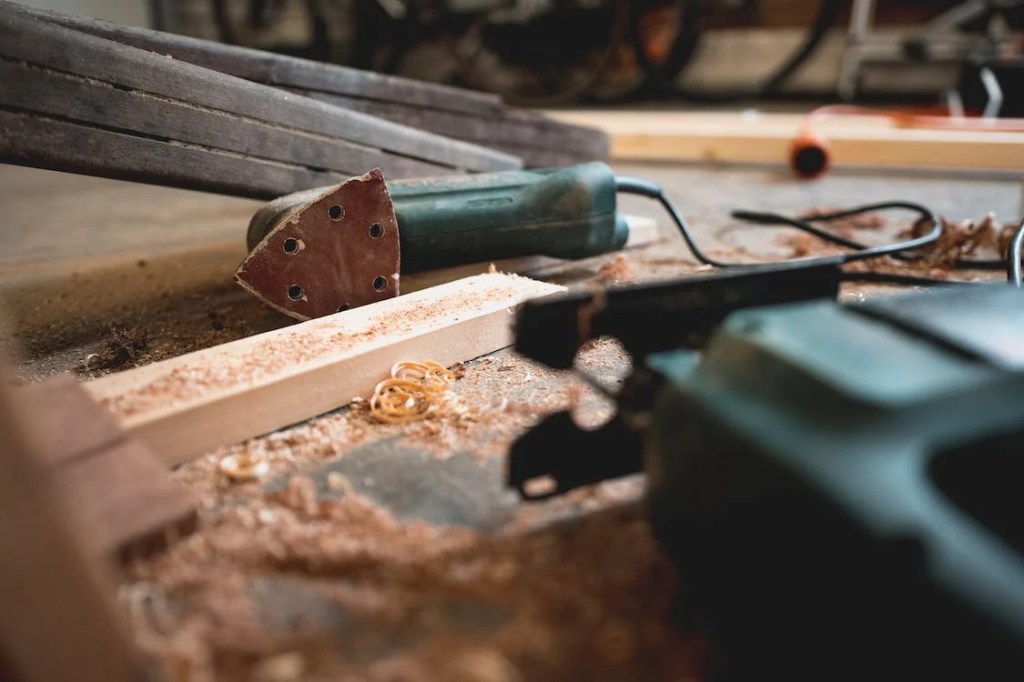
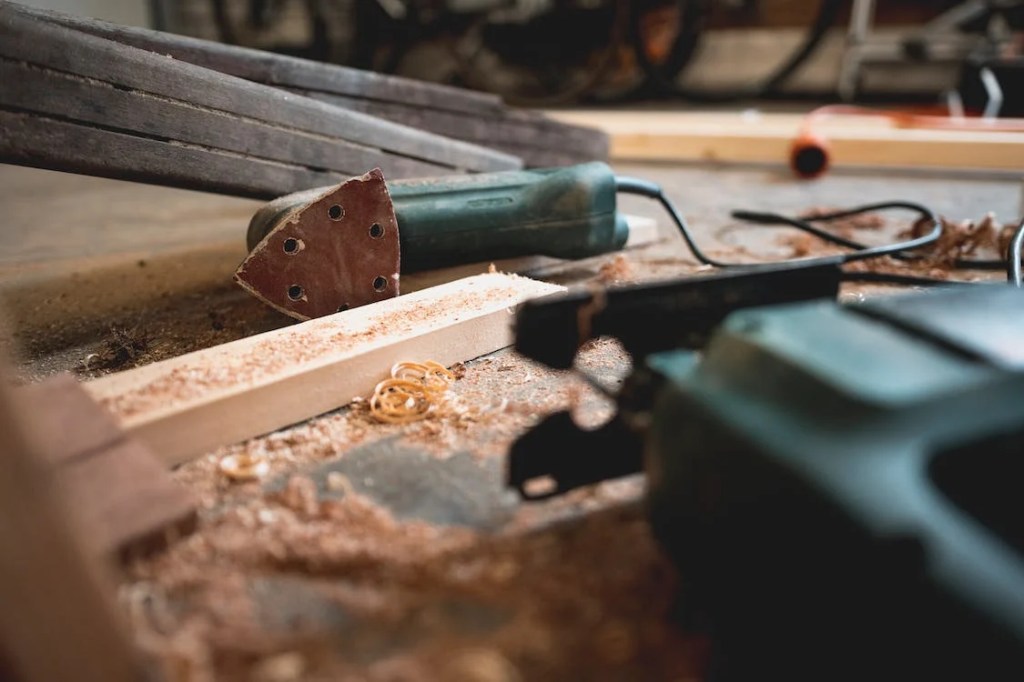
The adenocarcinoma subtype has a very strong association to previous occupational exposure to wood dust. It’s clear that prolonged exposure causes cancer, but we don’t know what happens on the molecular level, and that’s what we wanted to know more about.
There’s about 20 new cases of sinonasal cancer in Finland, and only a fraction of them are adenocarcinomas. But the incidence of adenocarcinoma increases in Europe as you move from North to South, as coniferous trees become less common and deciduous trees more common. The type of wood used, and thus the type of final wood product, affect this. According to some studies, the actual causative agent could be formaldehyde present in composite wood products. One study summarized that in Finland about 10% of sinonasal cancers were adenocarcinomas, but in France this fraction was almost 40%.
How do you account for any other environmental factors as a reason for a patient getting SNC, not just wood dust?
That’s a good question, there’s lots of other factors that have been associated with developing SNC, such as leather dust and certain heavy metals. Tobacco also plays a role. In our study, the Finnish Institute of Occupational Health has collected occupational information for the patients, and for those that have been employed in industries in which wood products are produced, they have quantified the level of exposure. But as always, it’s extremely difficult to completely rule out other causes, but as the patients have independently developed the disease, it’s unlikely that they share other major exposures.

Your results showed that sequencing whole genomes can be done with FFPE SNC tissues but what, if any, can these results impact in a clinical sense?
Whole genome sequencing with FFPE can, in theory, be just as useful as whole genome sequencing with fresh tissues. We can detect driver mutations from the tumors, allelic imbalance, and such. Tumors tend to vary quite a lot in their characteristics, but we can try to understand what’s typical in the disease, and any “druggable” mutations in the tumor could then be pinpointed for diagnostics in routine clinical care, for example.
What Goes on in a “Wet Lab”?
Since we’ve been discussing a bit about FFPE and how it’s a difficult medium to work with, how do you feel about the practical side? You’ve done a lot of work in the wet lab for this project, and I think it should be a bit different from what we usually do?
For FFPE samples we use the phenol-chloroform extraction method. A long time tested protocol to obtain DNA from these types of fixed samples. Putting it simply, we cut sections of the tissue in a tube, and by adding a mixture of phenol-chloroform, the sample will separate by centrifugation, the cellular/organic debris into one phase of the tube and (dna in other phase). After that we can keep only the aqueous phase which contains the DNA.
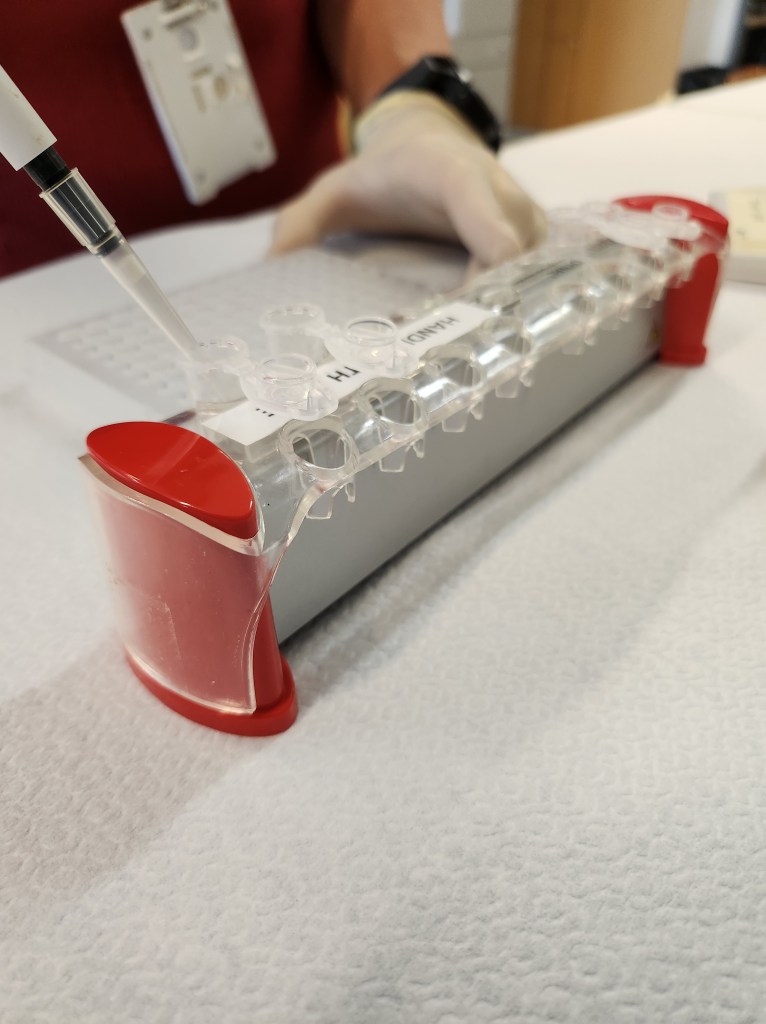
Then we move to the sonication! This takes the samples and uses high frequency vibrations to break the bonds of DNA and make the pieces smaller so that high quality DNA libraries (pools of DNA fragments) can be obtained at a desirable size. After some quality checks, we can start making the libraries for sequencing.
Lucky for us there are special commercial kits nowadays which we use to prepare the samples ready for sequencing, they contain all the reagents we need so we don’t need to make anything from scratch, making the process more efficient. These kits are usually pre-tested on certain tissue types.
The protocols might need a little tweaking here and there, but in the end hopefully you end up with a library of good enough quality that you can send it for sequencing and get the data back in a couple of weeks.
In this case, for these samples we did have to do a little tweaking of the protocol didn’t we? Instead of having to sonicate the samples, we were instead able to use an enzymatic pre-treatment?
That we did. There’s been a few studies that have successfully used an enzyme called nuclease S1 in the early parts of the sequencing library preparation. It degrades single-stranded DNA and cleaves double-stranded DNA in so-called “nicks”, a type of damage in the backbone of DNA that occurs naturally but also as a result of the fixation process. We did a test round in the beginning of the project, seeing how S1 compares to sonication, and our QC results show quite clear improvements when the sample is not sonicated. FFPE DNA is already very fragmented even without sonication, and we anyway select for certain fragment sizes during the library preparation protocol. Having now prepared sequencing libraries this way, do you miss having to sonicate them?
Ha, not at all! The sonication machine is a very useful piece of equipment, but saying that, having to add only a couple of drops of enzyme to get a better result was a much smoother, more efficient and less noisy alternative!
After the Wet Lab
When the data came back, what did you do with it after that?
In short, when we get data from the sequencing service provider, it’s in a raw format containing the sequence reads of these short fragments of DNA we extract from the samples. To be of any meaningful use, we need to align these reads to a reference genome, and once aligned to a reference genome we can do mutation calling. Our usual data pipeline is designed to work with fresh-frozen sample data, so I once again tried to make things a bit more FFPE-friendly by writing a new pipeline for the first part where we align the raw read data. The main reason was that the fragments we get from FFPE are shorter than what we’d get from fresh material, which the “normal” pipeline wasn’t optimized for.
We successfully got whole genome data from these tricky FFPE samples, got some insight to the molecular changes that occur in these sinonasal cancers, where do we go from here?
It’s a rare tumor so it’s difficult for us to get much further with our sample set, but hopefully other research groups can take a look at their data and see if they see similar phenomena. With FFPE in general I’d say that they are now just a bit easier for us to study, and especially with the decreasing cost of sequencing, we can expect the quality of data we get from archival tissue projects to be improved, because we can generate more data for the same cost as before, if there’s enough sample material. In time, we might be able to discern from genetic damage patterns whether individual cases of cancers have an occupational origin.
Want to learn more about the Finnish Center of Excellence in Tumor Genetics?
Keep up to date with the latest tweets, videos and blog posts for a peek into the everyday
life in cancer research; subscribe to our blog and YouTube channel!
and don’t forget to follow us on Twitter (@CoEinTG)
 Tumor Genetics Blog