By: Päivi Nummi
Suomennos: Kirjastonhoitaja ja maalivahti: Retrotransposonit pelaavat omilla säännöillään
Päivi Nummi is a doctoral researcher in the Finnish Center of Excellence in Tumor Genetics Research. Her work focuses on retrotransposons in colorectal cancer. In this blog, she shares how these genetic elements resemble a self-centered librarian or a rogue football player.
The genome beyond genes
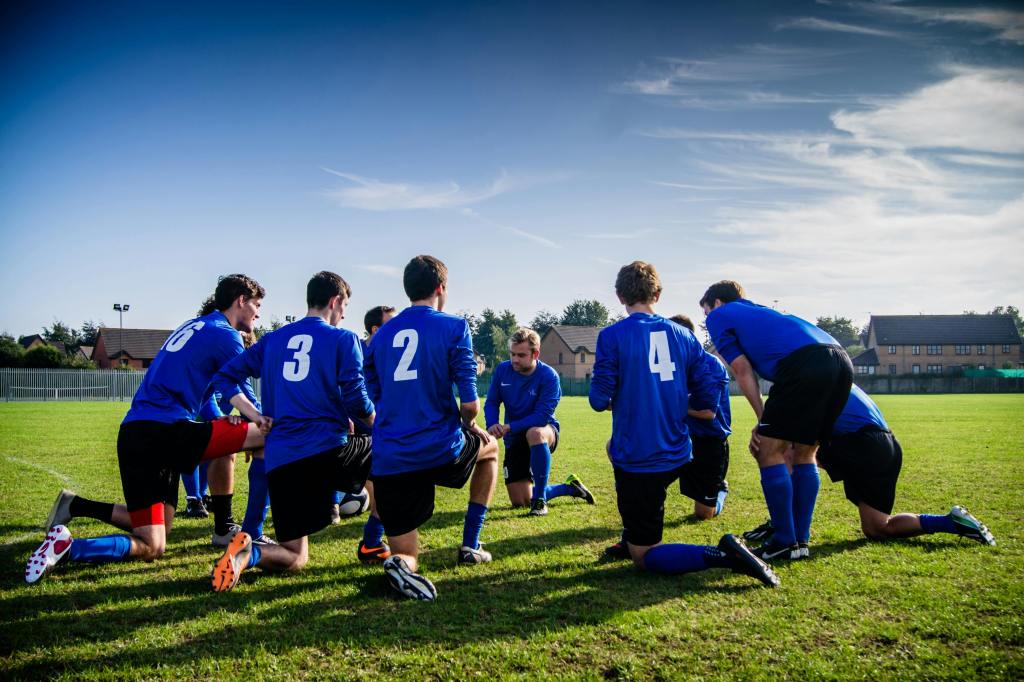
Upon opening a book you encounter words. When distilled to their core, words are simply combinations of letters arranged in different combinations that take on specific meanings. Similarly, our DNA is made up of “words”, but instead of the alphabet, the letters consist of four nucleotides which instead of words, form genes. Genes are used to build and maintain an individual, they code proteins as instructions in our body. They are key parts in our genome, the genetic material in our cells. You could conceptualize the genome as a football team where genes are players with different roles, striving towards a common goal: a functional human being.
The genome is more than just genes though; the protein coding parts account for only ~1.5% of it. If your genome were a local library, that coding sequence could be the size of a niche section of books on Horse Care. The rest of the genome consists of sequences controlling the genes or keeping the DNA intact. Like a support crew for a football team, they also share the goal with the rest of the genome. The team genome, however, has rogue players as well.
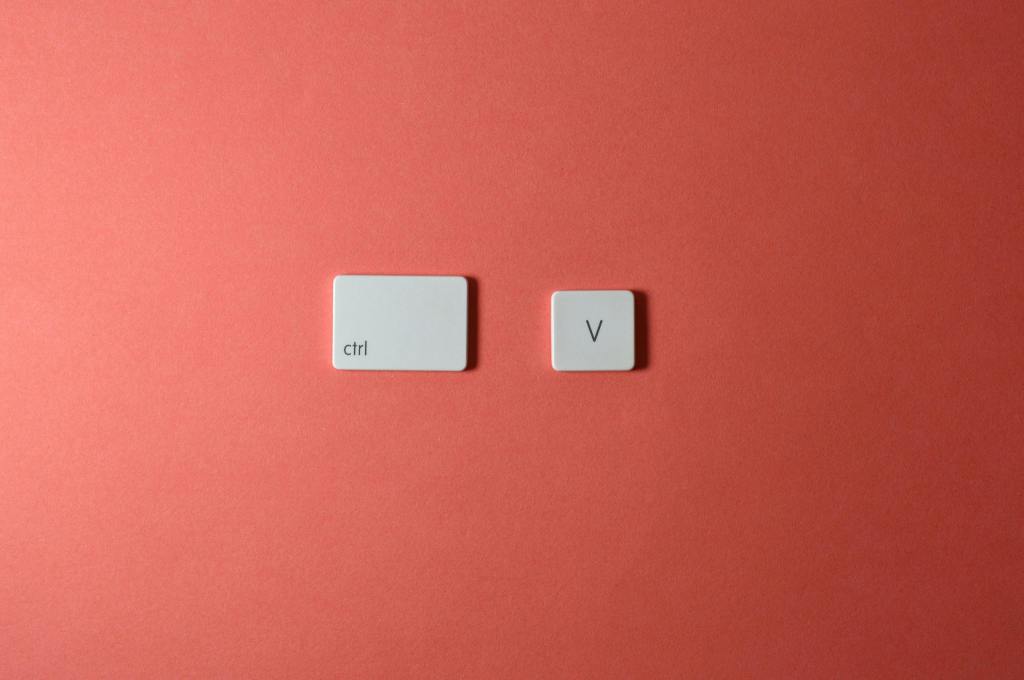
Retrotransposons are genetic sequences with a special skill: they can multiply themselves. They copy and insert their sequence into a new locus in the genome, like a “copy and paste” -function in a Word document. However, retrotransposons don’t need a writer to hit the keys, instead the words can duplicate independently. And duplicated they have: almost half of the human genome is retrotransposons, or sequence from them. Let’s return to the image of your local library again. Imagine browsing the shelves and discovering that every other book is the same —the librarian’s autobiography. That’s what retrotransposons do: they fill the genome with copies of themselves.
Retrotransposons can break genes

Now why do retrotransposons copy themselves? Well, they do it, because they can. The librarian filled the library with their autobiography, because they had unlimited printing rights. Inherently, all life strives “to be fruitful, multiply and fill the earth”. The rabbits in your backyard, the yeast in your dough, the bacteria in your gut are all pursuing to proliferate. Like them, retrotransposons copy themselves because that is their purpose. And they will not stop to consider how this affects the rest of the genome. Even though a retrotransposon is part of it, it is not striving towards the same goal as the rest of the genome: instead, the football goalie is actively playing golf. If you know anything about team sports, you’ll understand that a goalie practicing putting will be a disadvantage to the team.
Retrotransposons can also get in the way with their own goals. If the self-involved librarian slips their biography into the middle of another book, it will break the flow of the text. Similarly, retrotransposons can destroy target genes, which can lead to a disease. However, this is a rare phenomenon as the genome has defense mechanisms against it. Most adult tissues can suppress retrotransposition, benching the rogue goalie and revoking the librarian’s printing rights.
Retrotransposition and human cancer
Let’s return to the image of the football team. If one day the team coach falls unconscious, the rest of the players might forget their instructions and the original goal. A cell abandoning its orders works similarly. It escapes rules regarding normal cell life, starts to proliferate and becomes malignant. In a nutshell, this is how cancers arise.
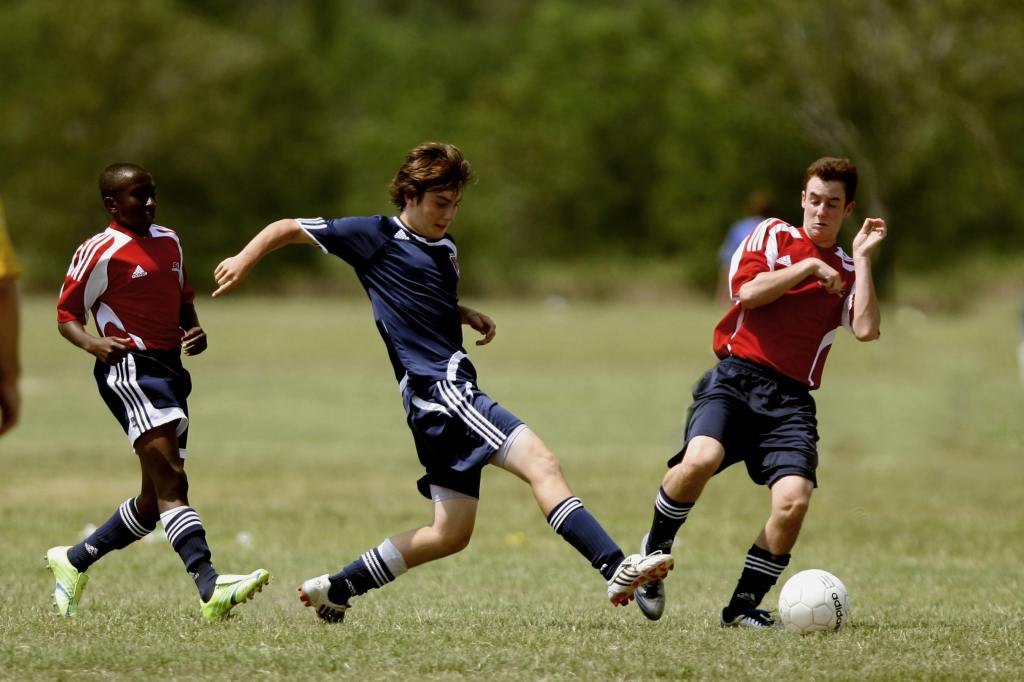
In human cancers, we often detect retrotransposition activity. The cellular mechanisms blocking it have failed, and retrotransposons now copy freely. But are they opportunists taking advantage of the disarray in the cell or are they complicit in it? While most of them are bystanders, sometimes they take initiative: the goalie swings the golf club knocking out the coach. This happens when a retrotransposon breaks a gene and initiates cancer. Even further, their activity has been linked to poor survival from colorectal cancer. So while they seldom initiate cancer, they can contribute to it.
Our research on retrotransposition in colorectal cancer has resulted in an estimate of how often these elements initiate cancer and revealed their link to poor survival. By studying retrotransposons, we aim to better understand their role in tumor development and why they are active in tumor cells.
Want to learn more about the Finnish Center of Excellence in Tumor Genetics?
Subscribe to the blog and keep up to date with the latest posts for a peek into the everyday life in cancer research.
You can also follow us on Instagram (@tumorgenetics) and Bluesky! (@CoEinTG)
 Tumor Genetics Blog
One thought on “The Librarian, The Goalie and the Genome: Retrotransposons play by their own rules.”
Comments are closed.